Employee Wellness Programs: What Works, and Why Coaching Matters
What employee wellness programs include, what the research says, and how a coached group fitness program gives Frederick teams something people actually show up for.
Employee Wellness Programs: What Works, and Why Coaching Matters
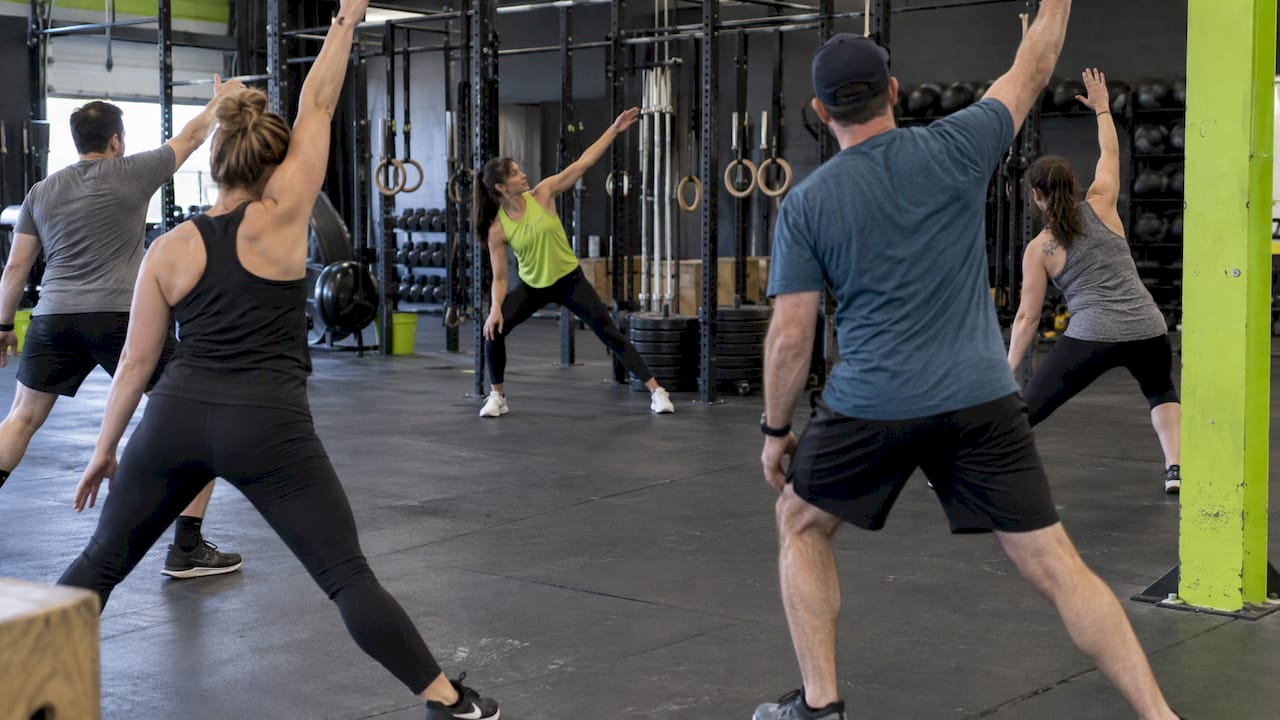
The best employee wellness programs are the ones people use. Research on workplace wellness is mixed, and one pattern keeps showing up: programs fall short when the employees who need them most never take part. A coached group fitness program is a direct answer to that problem. A real coach knows each person, scales the workout to them, and notices when they stop coming. In Frederick, that is what we do at Odin CrossFit, and our corporate wellness sessions are built for teams.
This guide is for employers and HR leads. It covers what a wellness program is, what the evidence says, which fitness formats work for a mixed team, the rules that apply in Maryland, and how to start.
TL;DR
- A wellness program is more than a gym perk. The CDC describes a coordinated mix of programs, policies, benefits and supports.
- Evidence on savings is mixed, but physical activity has clear links to fewer missed workdays, and participation is the weak point to solve.
- A mixed team needs scaled workouts. Coached group classes let a beginner and a former athlete train side by side.
- In Maryland, private-employer wellness programs are generally required to be voluntary, so design for invitation, not pressure.
- Start small, get visible manager support, and measure participation before you measure anything else.
Table of Contents
- What an employee wellness program actually is
- What the research says
- Why the unfit and the nervous skip programs
- Fitness formats employers can offer
- What “scaled” means for an employee who has never trained
- Why coaching beats equipment
- How to start a workplace fitness program: six steps
- Rules to know in Maryland
- What does it cost?
- Bring a coached class to your team
- Our view: wellness is a relationship, not a benefit
- FAQ
- Sources
What an employee wellness program actually is
The CDC defines a workplace health program as a coordinated, comprehensive set of health-promotion and protection strategies. It combines programs, policies, benefits, environmental supports and links to the community. In plain terms, a program is not one event. It is the sum of what your workplace offers and how easy it is to use.
Fitness is one piece of that. Searches for corporate fitness programs, employee fitness programs and workplace exercise programs all point to the same thing: the part of wellness where people move together. Other pieces include mental health support, nutrition, tobacco cessation and financial wellness. Fitness is the piece that employees can see, feel and talk about.
What the research says
Honest planning starts with the evidence, which is more nuanced than vendor brochures suggest.
Activity is tied to attendance. The CDC’s employer guide reports that employees getting at least 75 minutes of vigorous activity a week miss an average of 4.1 fewer workdays a year.
Savings are harder to prove. A 2019 randomized study of nearly 5,000 employees in Illinois found higher health-screening rates but no significant change in medical spending, productivity or self-reported health after more than two years. The same study found that employees who joined already had lower medical spending and healthier habits than those who didn’t.
That second finding matters most for a fitness program. If the people who sign up are the people who were already active, the program is not reaching the colleagues who would benefit. A 2021 review of 29 workplace studies found that most reported positive behavioral or organizational changes, while cost savings were demonstrated less often.
A RAND analysis of one large employer estimated different returns by program type: about $0.50 per dollar for lifestyle management and $3.80 per dollar for disease management. Those numbers belong to that employer and that study, so treat them as an illustration of why design matters, not a forecast for your company.
What to take from all of this: set goals you can reach, such as participation, energy, team connection and attendance, and build the program so the hesitant people feel welcome.
Why the unfit and the nervous skip programs
Most people who skip a workplace fitness program are not lazy. They worry about looking out of place. Typical reasons:
- They have never done a group workout and assume everyone else is fitter.
- They are over 40 or over 60 and worry about injury.
- They tried a big-box gym, got no guidance, and stopped within a few weeks.
- They have a stressful day and need a class that is easy to start, not a machine floor to figure out.
A program that answers those worries wins participation. A discount card for a gym where nobody knows your name usually does not.
Fitness formats employers can offer
The CDC says there is no one-size-fits-all physical-activity program and recommends a culture where activity is part of everyday work. Its Worksite Health ScoreCard lists examples such as walking groups, stretching, group exercise, recreational leagues, buddy systems and sit-stand workstations. Johns Hopkins researchers add fitness classes, lunchtime yoga and stretching breaks and advise tailoring the mix to company size, demographics and health status.
Here is how the common options compare for a mixed-age, mixed-ability team:
| Format | Effort to run | Reaches beginners? | Builds team connection? |
|---|---|---|---|
| Walking group | Low | Yes | Some |
| Stretch breaks | Low | Yes | Little |
| Gym stipend alone | Low | Often unused | No |
| Coached group class | Moderate | Yes, when scaled | Strongly |
| Wellness challenge app | Moderate | Mixed | Some |
A coached class is the strongest on the last two columns because a person leads it. That leader teaches the movement, adjusts the load and sees who is struggling. Why gyms pitch corporate wellness this way comes down to the same idea: coaching, space and access to fitness services make activity easier to start.
What “scaled” means for an employee who has never trained
Scaling means changing the workout to fit the person, not changing the person to fit the workout. A new employee and a former college athlete can do the same session with different weights, ranges of motion and pace. Every class at Odin is led by a credentialed coach who teaches movements, corrects form and scales the workout to each member, and all classes follow one progressive program.
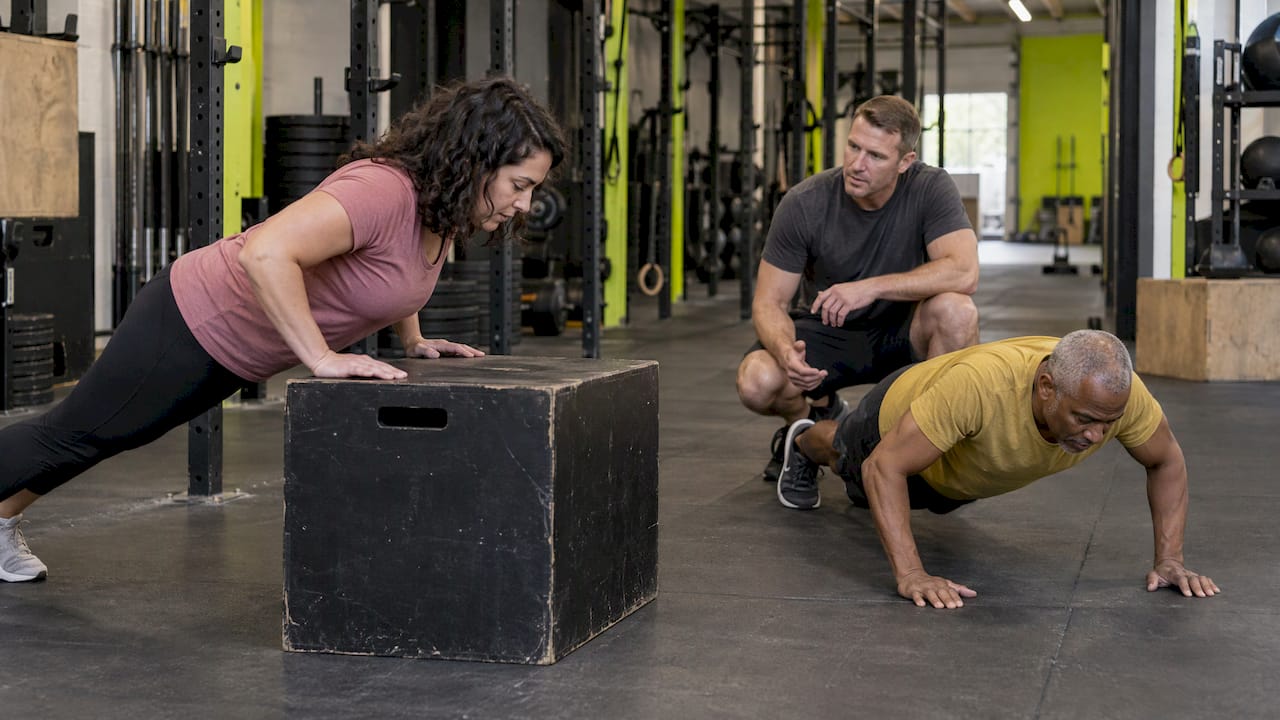
That answers the question many first-timers and adults over 40 ask: is this too intense for me? The intensity is set per person. Employees over 60 can also look at our Legends program, our 60-and-over fitness option.
If anyone on your team has a medical condition, an injury or is pregnant or postpartum, they should check with their own doctor before starting any new exercise program.
Why coaching beats equipment
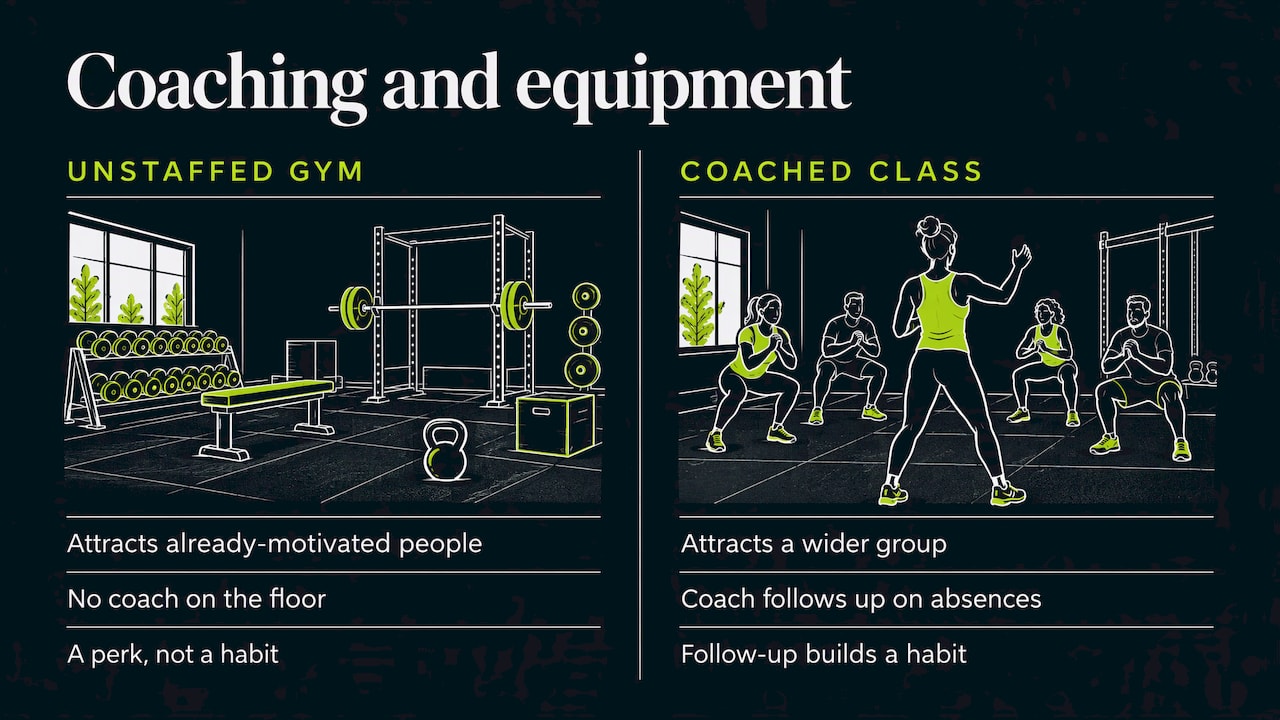
The Illinois finding about self-selection is the reason coaching matters. A gym with no one on the floor attracts the already-motivated. A class with a coach who learns names attracts a wider group, and it keeps them. Our coaches know members and follow up when they stop showing up. That follow-up is the difference between a perk and a habit.
Community does a second job. Colleagues who train together talk to each other across departments, and the class becomes a standing appointment. We have written about the importance of community in CrossFit training, and about how a Frederick physical therapist uses our classes to handle high-stress workdays.
Nutrition is the natural next layer. Some employees want help with food and habits as well as training, and we offer nutrition coaching with accountability alongside classes.
How to start a workplace fitness program: six steps
- Assess where you are. The CDC’s ScoreCard is a free assessment tool that helps employers identify gaps and prioritize high-impact strategies. The 2019 version has 154 questions in 18 modules, so pick the physical-activity module first. A short anonymous survey of your own team on schedules, interests and barriers is worth the effort too.
- Get visible leadership support. The CDC guide says support should be active and visible, including middle managers, not passive permission. When a manager joins the class, attendance changes.
- Partner locally. The same guide recommends community partnerships, especially where smaller employers lack resources to build gyms or trails. A downtown Frederick company does not need to build a facility when a coached gym is nearby. We offer corporate wellness sessions that employers can book for their teams, and our team will talk through what fits yours.
- Offer a range. Pair a coached class with something lighter, such as yoga or stretching, so every comfort level has an entry point. We run yoga and skills classes as well as CrossFit classes.
- Make it easy. Think about timing, location and the first visit. A single drop-in or an introductory team session removes the commitment barrier.
- Measure and adjust. Track who attends, how often, and whether participants come from outside the usual fitness crowd. Add absence and engagement trends over time, remembering that the research shows benefits arrive unevenly.
Rules to know in Maryland
This is general information, not legal advice. Talk to your employment attorney or benefits adviser before tying incentives to health outcomes.
- Voluntary participation. A published review of state laws reports that Maryland is among seven states requiring private-employer wellness programs to be voluntary. Frame fitness as an invitation.
- Incentives tied to health plans. Federal HIPAA and ACA regulations from 2013 cover wellness programs offered with group health plans, and requirements differ for participatory and health-contingent programs. Maryland’s 2014 Senate Bill 96 describes caps on health-contingent incentives in carrier wellness plans, with alternative standards for those who can’t meet them.
- ADA and GINA. Rules under the Americans with Disabilities Act and the Genetic Information Nondiscrimination Act apply to programs that ask for medical or genetic information. A benefits-advisor summary notes that the 2024 EEOC proposals were withdrawn and existing rules remain in effect, so confirm the current position with your adviser.
A participation-based class, open to everyone with no health data collected, is the simplest design.
What does it cost?
Costs vary with your team’s needs and the resources available. A Frederick Chamber of Commerce toolkit from 2014 said some programs could be run for as little as a few dollars per employee. That is an old, local estimate, not a quote. We do not publish a price for corporate wellness, so contact us with your headcount and goals.
Bring a coached class to your team
Odin CrossFit is an official CrossFit affiliate in downtown Frederick, owned and coached by Allison and Jason Jachowski. Our site lists 12 coaches and a 5.0 rating across 228 Google reviews. For employers, we offer corporate wellness sessions, and your people can also join through membership, a drop-in visit or group fitness classes. Start on the corporate wellness page or see all programs.

Our view: wellness is a relationship, not a benefit
Employers often ask us which wellness perk to buy. We ask a different question: who will notice when your people stop showing up?
That is the heart of how we coach. A credentialed coach teaches the movement, scales the workout and learns your name. When you miss a class, someone follows up. The big-box model works for people who already have the habit. Everyone else needs a person and a community.
For a team, that means colleagues who train together, scaled to what each can do, from a first-timer to a former athlete to a member of our 60-and-over Legends group. Stay humble, live healthy, be happy is the idea we coach around, and it fits a workplace well.
Jason Jachowski
FAQ
What are employee wellness programs?
They are coordinated efforts by an employer to support workers’ health, combining programs, policies, benefits and supports, as the CDC describes. Fitness classes, nutrition help and mental health resources are common parts.
What is a good fitness program for employees of different abilities?
Choose a format where the workout is scaled to each person. A coached group class does this because the coach adjusts movements and loads, so beginners and experienced athletes can train in the same session.
How do I get employees to actually take part?
Make it voluntary, get managers to join visibly, and choose a format with a person leading it. Coaching and community bring in people who would skip an unsupervised gym.
Do workplace wellness programs have to be voluntary in Maryland?
A published review of state laws reports that Maryland requires private-employer wellness programs to be voluntary. Check your own plan design with an employment attorney or benefits adviser.
Sources
- CDC: workplace health program definition and description
- CDC: Physical Activity in the Workplace employer guide
- CDC Worksite Health ScoreCard Manual
- Illinois Workplace Wellness Study, 2019
- Organizational and individual outcomes of health promotion, 2021 review
- RAND: Do Workplace Wellness Programs Save Employers Money?
- Johns Hopkins: Making workplace wellness programs work
- Variability and limits of US state laws regulating workplace wellness programs
- Federal Register: 2013 HIPAA/ACA wellness regulations
- Maryland Senate Bill 96, 2014
- Proposed rules on wellness programs subject to the ADA or GINA
- Frederick Chamber workplace wellness toolkit, 2014
- Corporate wellness program pitch guide
Recommended
Start with a free intro
A chat with a coach, a tour of the gym, or a first class. Whichever fits you.